Home / Crude Oil & Energy
Norman Morell · Normancrudeoil.net
Crude Oil & Energy
What crude oil is, how it is graded, how it travels, and how it becomes the products the world runs on.
The essentials
Crude oil is a naturally occurring mixture of hydrocarbons, formed over millions of years from ancient organic material buried and heated under pressure. It is the world's most traded commodity — and the raw material for fuels, plastics, medicines and thousands of everyday products.
Two qualities decide a crude's value: its density (measured as API gravity — light oils flow easily and yield more petrol) and its sulphur content (low-sulphur "sweet" crudes are cheaper to refine than "sour" ones).
Most crude is priced against a benchmark: Brent from the North Sea (the global standard), WTI in the United States, and Western Canadian Select for Canadian heavy oil. A barrel's price is its benchmark plus or minus a differential for quality and location.
Geologists map underground formations, exploratory wells test them, and production wells bring oil to the surface — onshore, or offshore from platforms and floating production vessels like those working off Newfoundland.
Crude travels by pipeline where possible, and by tanker, rail or barge where it must. Storage terminals hold it until a refinery is ready — logistics is the invisible half of the oil business.
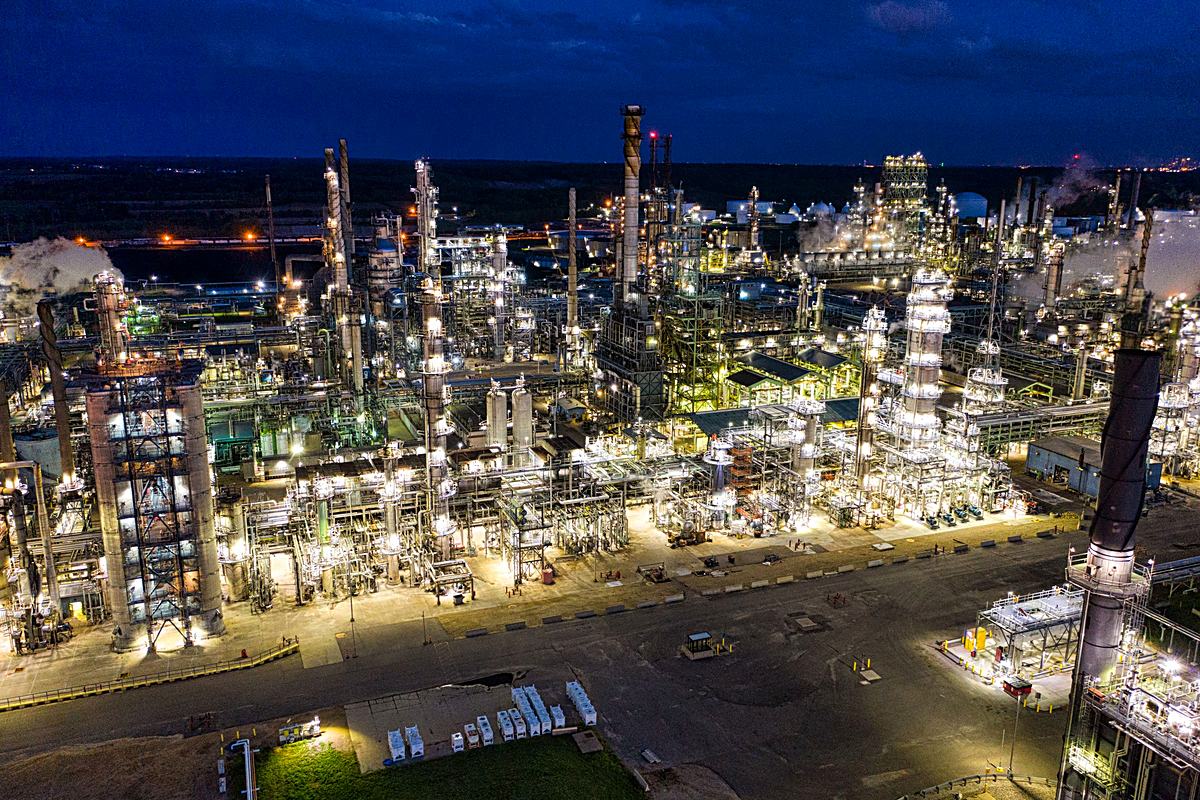
A refinery separates crude by boiling point — gases, petrol, jet fuel, diesel, lubricants and bitumen — then converts heavier fractions into lighter, more valuable products.
Atlantic Canada's place in the picture. Offshore Newfoundland and Labrador has produced oil since the Hibernia field came on stream in 1997, followed by Terra Nova, White Rose and Hebron. Production comes from some of the harshest marine conditions on earth — icebergs, storms and deep water — and is shipped to refineries in Canada, the United States and Europe.
The responsibilities that come with production.
Open page →Enquiries
Send an enquiry through the contact page. Every message is read, and enquiries are answered in the order they are received.
Make an Enquiry →